Kinderspiele 1992 11 //top\\ Jun 2026
Now That's Bingo!
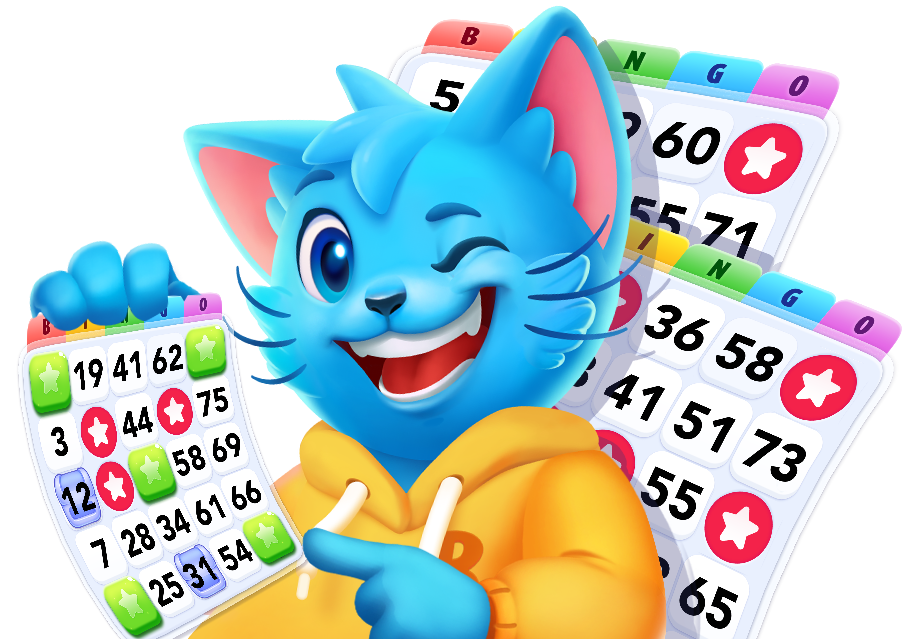
PLAY NOWWelcome to Bingo Blitz: the best Free Bingo Game on the planet! It’s time you meet new friends, explore the globe, and collect amazing souvenirs. Experience the most social and exhilarating mobile bingo adventure available by playing Bingo Blitz on Facebook, this webpage, or by downloading the Bingo Blitz app on the Android Google Play Store or Apple App Store.
Join the millions of bingo lovers in our players community and enjoy the greatest free online bingo gaming experience on Earth.

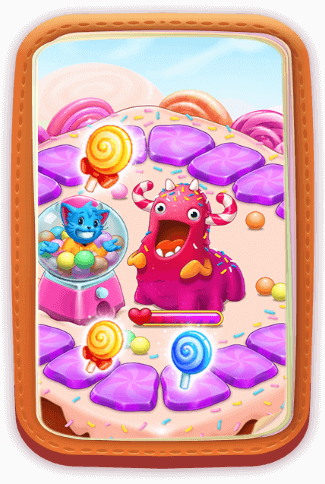
MINI GAMES

SOCIAL & FUN!
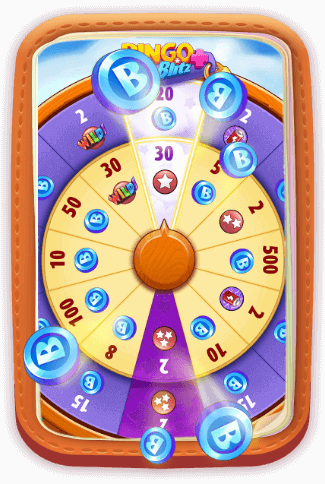
TONS OF FREEBIES!

CHEF EXPERIENCE
Bingo Blitz features a bingo experience like no other. Become a part of our online Bingo Blitz Global Community today to join the party!
Travel the world with over 1 million players, and new friends from across the globe! Bingo Blitz is all about collaboration. You can join Teams, trade Items together, and chat with one another in any Bingo Room you play! With Bingo Blitz, you can let your social butterfly spread its wings!




Designed for ages 4–8. Very simple rules: roll the die, move forward, sometimes collect tokens. No reading required. Playtime: 10–15 minutes. Example mechanics: Cooperative fruit collecting ( Obstgarten ), memory matching, or a race with "lucky" shortcuts.
Set in an impoverished West German suburb during the early 1960s, the economic miracle ( Wirtschaftswunder ) is entirely absent from the lives of 11-year-old (played by Jonas Kipp) and his family. Micha’s father, portrayed with volatile brilliance by Burghart Klaußner , is a deeply frustrated, irascible patriarch who routinely vents his economic failures and inner anxieties through severe physical abuse against his son. Simultaneously, Micha's emotionally detached mother ( Angelika Bartsch ) offers no sanctuary, favoring the younger sibling and emotionally shutting out the oldest son.
, is a stark, realistic look at growing up in a poor West German suburb during the early 1960s. : It follows a young boy named
The emotional core of Kinderspiele explores how societal and economic pressure transforms into domestic violence. The father is crushed by a rigid class system and financial lack. Unable to fight the system, he beats his son. Micha, in turn, passes the violence down to weaker targets, perfectly illustrating how systemic abuse creates a generational chain. 2. Deconstructing the "Wirtschaftswunder" Myth kinderspiele 1992 11
A brilliant memory and movement game tailored for young children that gained massive traction during the 1992 holiday shopping season.
: The story centers on Micha , a young boy living in a grim environment. Despite having good grades and the potential to move to a higher-tier school (Gymnasium), his home life is dominated by an abusive, unpredictable father .
The and the struggle of children to navigate a world dictated by adults' failures. 4. Critical Recognition Designed for ages 4–8
Shadows of the Post-War Playground: An Analysis of Wolfgang Becker’s Kinderspiele (1992) Introduction
Archival television commercial logs from November 1992 show that games like the X-Men Alert Board Game Go to product viewer dialog for this item. (published by Pressman in 1992) dominated the market.
To understand the significance of , we must revisit the environment of early 90s Germany. Parents were becoming increasingly aware of computers as educational tools. Unlike today's microtransactions and online multiplayer chaos, games in 1992 were: Playtime: 10–15 minutes
The world of children's games has undergone significant transformations over the years, with new technologies and innovative ideas constantly emerging. One particular year that stands out in the history of children's games is 1992, specifically the 11th edition of Kinderspiele, a renowned German board game convention. In this article, we'll take a nostalgic journey back to Kinderspiele 1992-11, exploring the trends, releases, and impact of this pivotal event on the world of children's games.
Original physical copies in good condition are sought after. A complete set (magazine + floppy disk + any cardboard sleeve) for "Kinderspiele 1992 11" can sell for €15 to €40 on Kleinanzeigen or retro fairs. Sealed copies are rarer and may fetch upwards of €80.
Most "Kinderspiele" issues from that year were distributed as:
His father, a hot-tempered bricklayer brilliantly portrayed by Burghart Klaußner, is deeply frustrated by his family's perpetual poverty. He frequently takes his anger out on Micha through severe physical abuse. Meanwhile, Micha's emotionally detached mother offers no refuge; she openly favors Micha's younger brother and eventually abandons the family entirely.
Play bingo games free and from anywhere in the world, even while you’re on the go.
Playing online bingo is super easy. All you need to do is load the app and daub away. If you’re looking for unlimited free bingo games for fun where no download is required, Bingo Blitz is all you need! Bingo Blitz is perfect for both experienced players and beginners, with progressive bets you can ease yourself at your own pace! Playing Bingo Blitz virtual bingo will have you saying goodbye to ‘regular’ bingo in no time!







Designed for ages 4–8. Very simple rules: roll the die, move forward, sometimes collect tokens. No reading required. Playtime: 10–15 minutes. Example mechanics: Cooperative fruit collecting ( Obstgarten ), memory matching, or a race with "lucky" shortcuts.
Set in an impoverished West German suburb during the early 1960s, the economic miracle ( Wirtschaftswunder ) is entirely absent from the lives of 11-year-old (played by Jonas Kipp) and his family. Micha’s father, portrayed with volatile brilliance by Burghart Klaußner , is a deeply frustrated, irascible patriarch who routinely vents his economic failures and inner anxieties through severe physical abuse against his son. Simultaneously, Micha's emotionally detached mother ( Angelika Bartsch ) offers no sanctuary, favoring the younger sibling and emotionally shutting out the oldest son.
, is a stark, realistic look at growing up in a poor West German suburb during the early 1960s. : It follows a young boy named
The emotional core of Kinderspiele explores how societal and economic pressure transforms into domestic violence. The father is crushed by a rigid class system and financial lack. Unable to fight the system, he beats his son. Micha, in turn, passes the violence down to weaker targets, perfectly illustrating how systemic abuse creates a generational chain. 2. Deconstructing the "Wirtschaftswunder" Myth
A brilliant memory and movement game tailored for young children that gained massive traction during the 1992 holiday shopping season.
: The story centers on Micha , a young boy living in a grim environment. Despite having good grades and the potential to move to a higher-tier school (Gymnasium), his home life is dominated by an abusive, unpredictable father .
The and the struggle of children to navigate a world dictated by adults' failures. 4. Critical Recognition
Shadows of the Post-War Playground: An Analysis of Wolfgang Becker’s Kinderspiele (1992) Introduction
Archival television commercial logs from November 1992 show that games like the X-Men Alert Board Game Go to product viewer dialog for this item. (published by Pressman in 1992) dominated the market.
To understand the significance of , we must revisit the environment of early 90s Germany. Parents were becoming increasingly aware of computers as educational tools. Unlike today's microtransactions and online multiplayer chaos, games in 1992 were:
The world of children's games has undergone significant transformations over the years, with new technologies and innovative ideas constantly emerging. One particular year that stands out in the history of children's games is 1992, specifically the 11th edition of Kinderspiele, a renowned German board game convention. In this article, we'll take a nostalgic journey back to Kinderspiele 1992-11, exploring the trends, releases, and impact of this pivotal event on the world of children's games.
Original physical copies in good condition are sought after. A complete set (magazine + floppy disk + any cardboard sleeve) for "Kinderspiele 1992 11" can sell for €15 to €40 on Kleinanzeigen or retro fairs. Sealed copies are rarer and may fetch upwards of €80.
Most "Kinderspiele" issues from that year were distributed as:
His father, a hot-tempered bricklayer brilliantly portrayed by Burghart Klaußner, is deeply frustrated by his family's perpetual poverty. He frequently takes his anger out on Micha through severe physical abuse. Meanwhile, Micha's emotionally detached mother offers no refuge; she openly favors Micha's younger brother and eventually abandons the family entirely.