Unlike other genjutsu that control the five senses, Izanami dictates the fate of the target. It is designed to force the user to accept their reality and stop trying to change it through immoral means. The "Death" of the Ego
During the Fourth Great Ninja War, Kabuto's ambition led him to confront Itachi and Sasuke Uchiha. Kabuto, having absorbed the powers of Orochimaru and many others, was in a state of absolute hubris, believing himself to be the closest creature to a "god". The Power of Izanami
No. When Orochimaru was revived from Anko's cursed seal, he merely absorbed his own chakra back out of Kabuto's body, leaving Kabuto alive but weakened.
One of the most persistent questions fans have regarding the Naruto Shippuden series is the final fate of . As a master of medical ninjutsu, a primary strategist for the Akatsuki, and the caster of the devastating Edo Tensei (Reanimation Jutsu) in the Fourth Great Ninja War, Kabuto was responsible for immense suffering.
Akio’s expression hardened into something that had nothing to do with the boy who flew a kite. “Then you are choosing,” he said. “Choosing the system.”
No, Kabuto does not appear in Boruto: Naruto Next Generations . His fate is left ambiguous, but he is not shown to have died.
Many fans argued that Kabuto should have been executed for his treason and war crimes. However, he was spared for several reasons:
Post-war, Kabuto’s life takes a quiet, purposeful turn, contrasting sharply with the deaths of other major villains like Madara or Obito.
: After spending a significant (subjective) amount of time in the loop, Kabuto finally accepts his identity as a child of the Konoha Orphanage, breaking the jutsu. Post-War Fate
In Naruto: Shippuden , Kabuto was defeated by , who trapped him in a mental loop called Izanami . To escape, Kabuto had to acknowledge his true self and renounce his desire for stolen power. Following this redemption:
Itachi, knowing that a physical kill wouldn’t stop Kabuto (he could simply regenerate or escape), pulls out a forbidden jutsu: . This genjutsu does not harm the body; it traps the target’s consciousness in an infinite loop of sensory events.
But if we are to speak of Kabuto's death in the narrative sense, it occurs in of the manga ( Episode 334–337 of the anime), during the climax of the Fourth Great Ninja War.
In a twist, the keyword "Kabuto death" refers not to his physical end, but to the "death" of his ego. Itachi's Izanami is a genjutsu that determines reality through physical sensation, trapping the target in an endless loop of their own actions. It is a technique designed to punish those who, like Kabuto, have lost their identity and blindly alter their own destiny. As Itachi explained, Izanami and was created to punish those who twist their fate.
Kabuto now runs the Konoha Orphanage, looking after children, including the clones of Shin Uchiha.
Through Kabuto, Kishimoto explored profound themes: the search for identity, the corruption of power, and the possibility of redemption. Kabuto is the mirror image of Naruto—an orphan without identity who was never given the support Naruto received from Iruka and his friends.
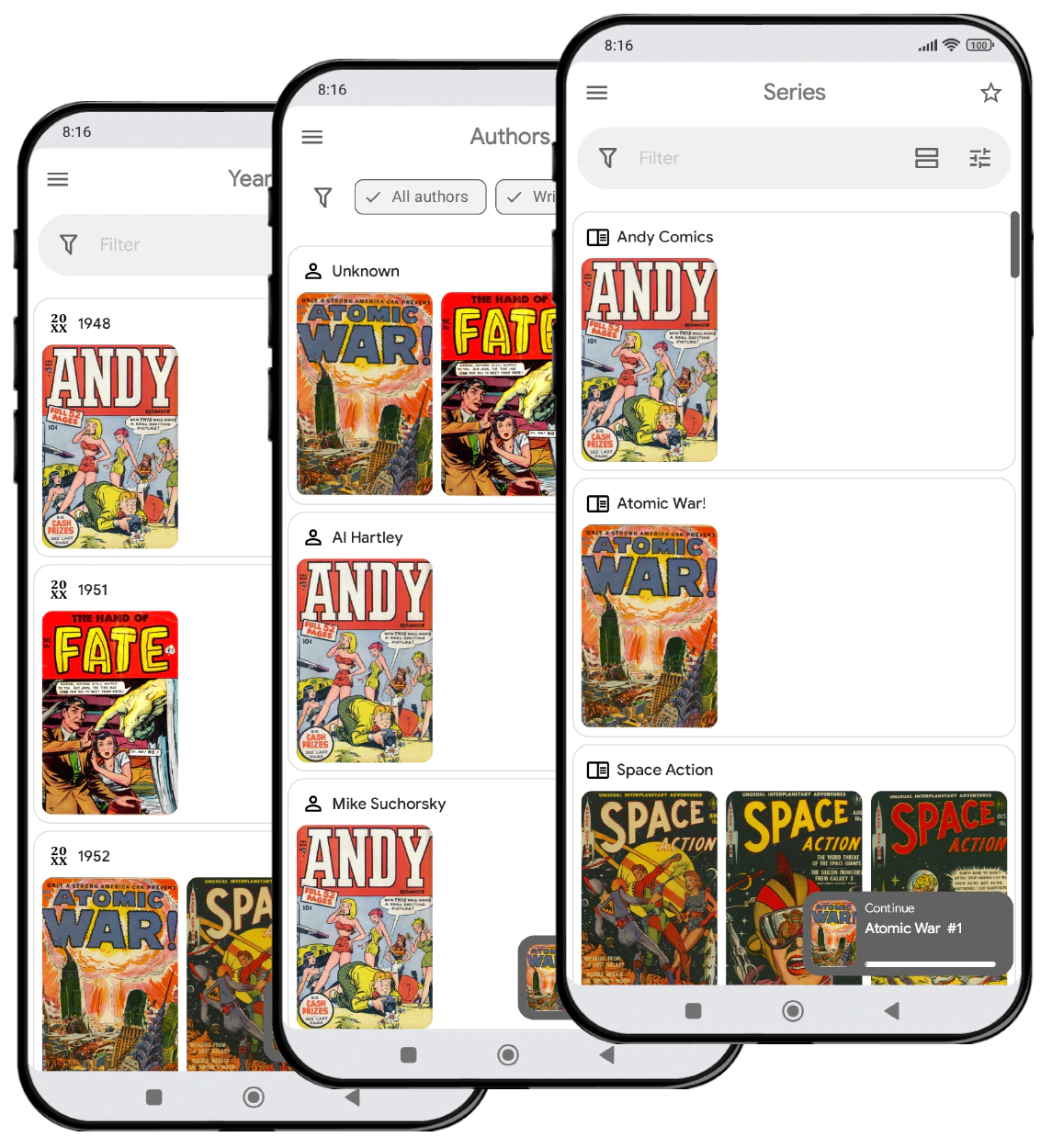

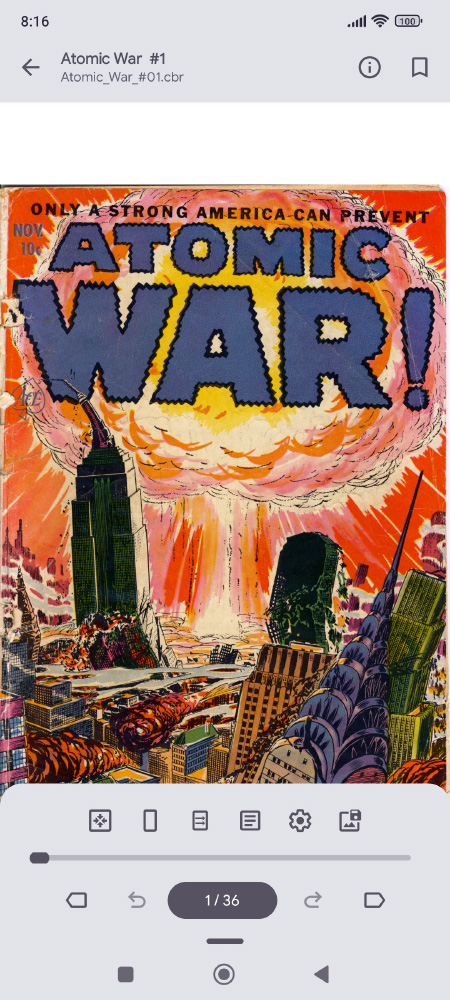
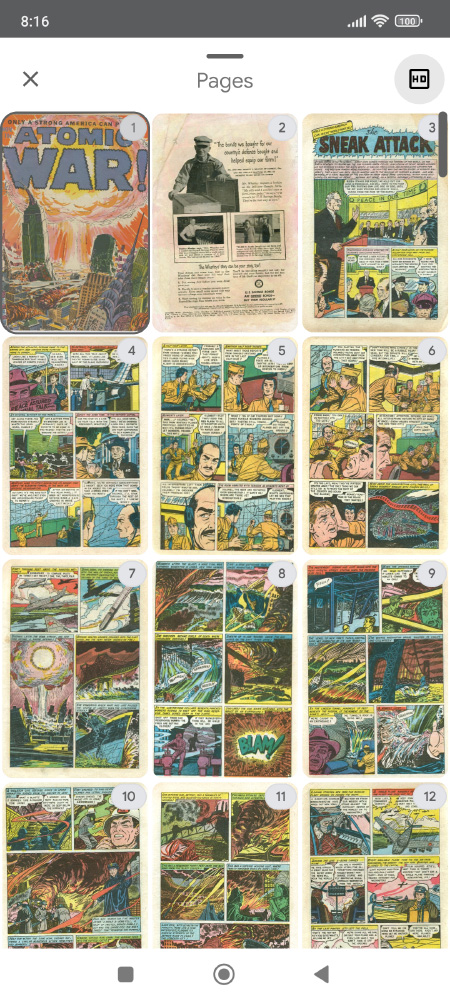
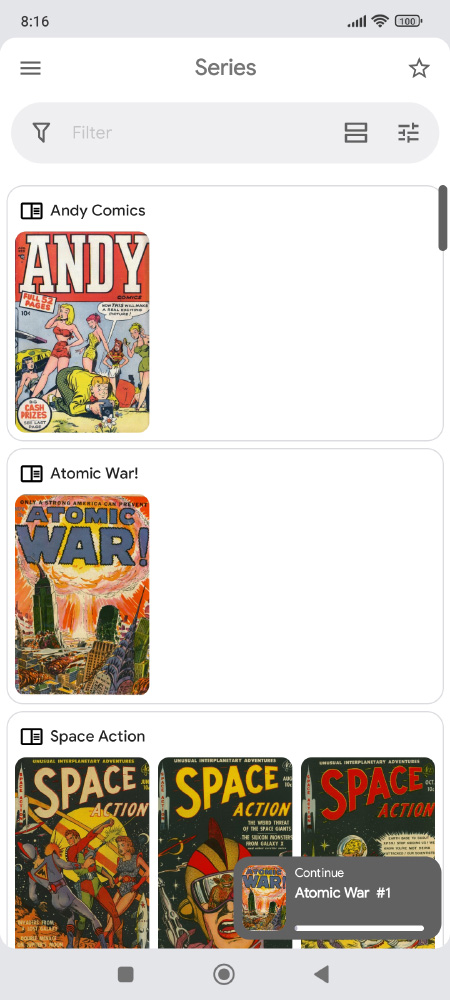
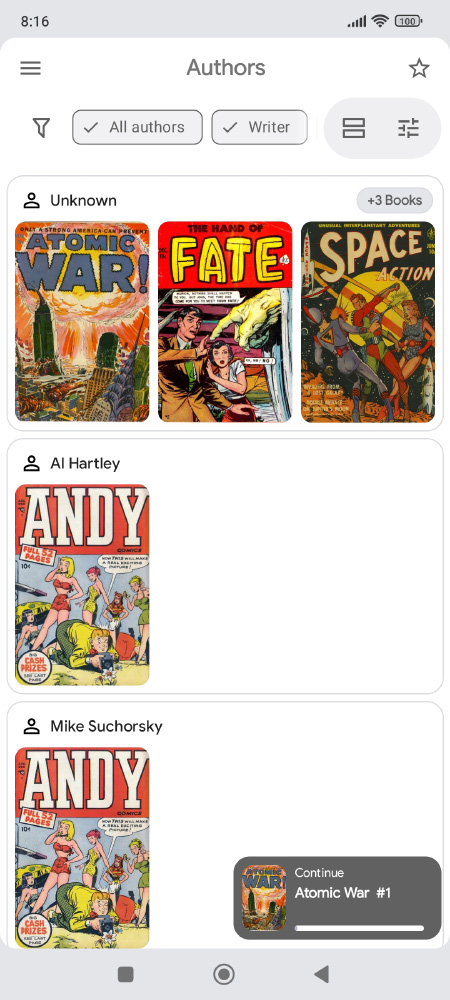
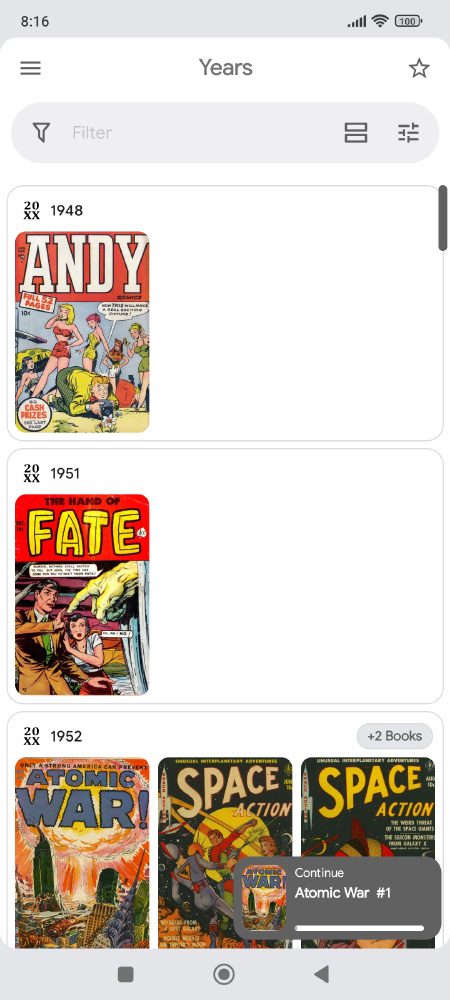
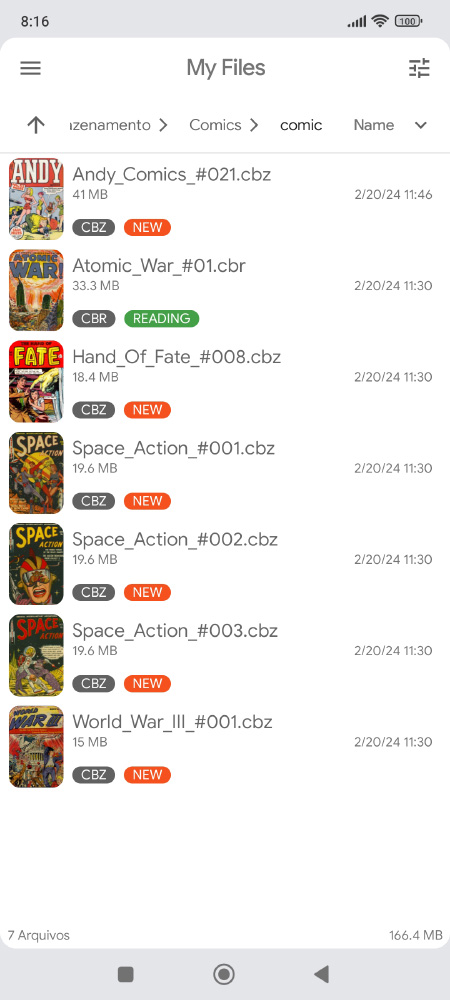
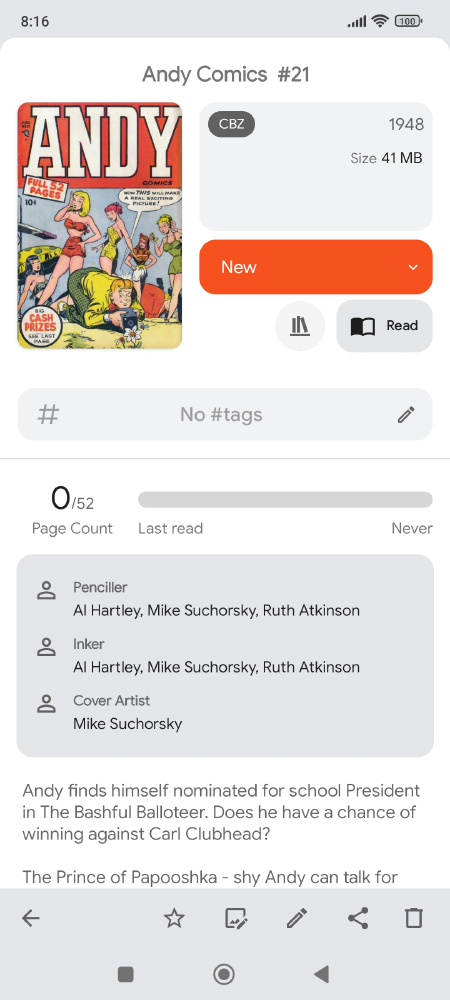
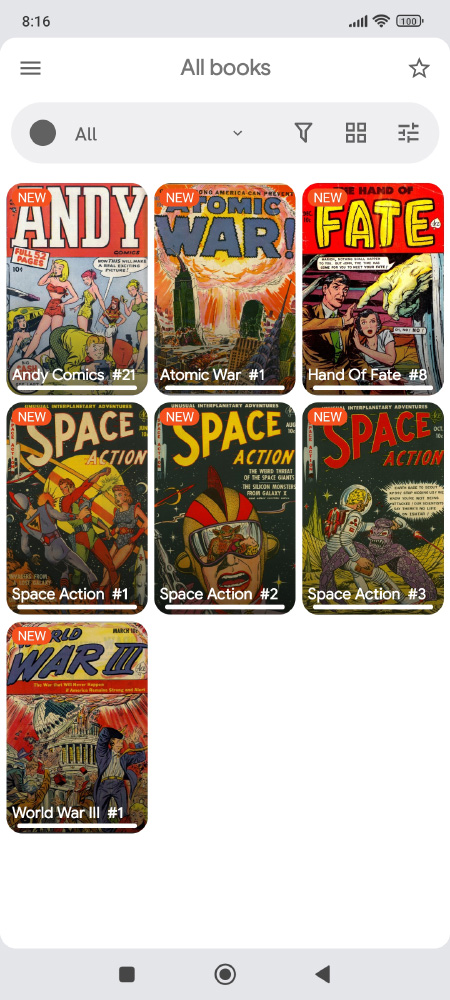
Kuro Reader helps you to manage and read your comics from every perspective, it contains everything you need for a comic reader.
Kuro reader is an independent project and does not have any external sponsorship or
advertisements revenue, and all support for its development is achieved through the sale of the
pro version and donations. If it's been helpful for you, please consider purchasing the pro version and unlocking extra features, or make
a donation via PayPal.
Currently Kuro Reader has been translated to
following languages:
English, Brazilian Portuguese, Catalan, Chinese (Simplified and
Traditional), French, Indonesian, Italian, Korean, Odia (Oriya), Polish, Russian, Santali,
Spanish, Turkish.
If you can help to translate this application to your native language,
please join us in our open projet in Crowdin: https://crowdin.com/project/kuroreader.
If you have any problem or
suggestion, please feel free to contact us: .

* The comics used in the screenshots are public domain and free to use
Unlike other genjutsu that control the five senses, Izanami dictates the fate of the target. It is designed to force the user to accept their reality and stop trying to change it through immoral means. The "Death" of the Ego
During the Fourth Great Ninja War, Kabuto's ambition led him to confront Itachi and Sasuke Uchiha. Kabuto, having absorbed the powers of Orochimaru and many others, was in a state of absolute hubris, believing himself to be the closest creature to a "god". The Power of Izanami
No. When Orochimaru was revived from Anko's cursed seal, he merely absorbed his own chakra back out of Kabuto's body, leaving Kabuto alive but weakened.
One of the most persistent questions fans have regarding the Naruto Shippuden series is the final fate of . As a master of medical ninjutsu, a primary strategist for the Akatsuki, and the caster of the devastating Edo Tensei (Reanimation Jutsu) in the Fourth Great Ninja War, Kabuto was responsible for immense suffering. kabuto death
Akio’s expression hardened into something that had nothing to do with the boy who flew a kite. “Then you are choosing,” he said. “Choosing the system.”
No, Kabuto does not appear in Boruto: Naruto Next Generations . His fate is left ambiguous, but he is not shown to have died.
Many fans argued that Kabuto should have been executed for his treason and war crimes. However, he was spared for several reasons: Unlike other genjutsu that control the five senses,
Post-war, Kabuto’s life takes a quiet, purposeful turn, contrasting sharply with the deaths of other major villains like Madara or Obito.
: After spending a significant (subjective) amount of time in the loop, Kabuto finally accepts his identity as a child of the Konoha Orphanage, breaking the jutsu. Post-War Fate
In Naruto: Shippuden , Kabuto was defeated by , who trapped him in a mental loop called Izanami . To escape, Kabuto had to acknowledge his true self and renounce his desire for stolen power. Following this redemption: Kabuto, having absorbed the powers of Orochimaru and
Itachi, knowing that a physical kill wouldn’t stop Kabuto (he could simply regenerate or escape), pulls out a forbidden jutsu: . This genjutsu does not harm the body; it traps the target’s consciousness in an infinite loop of sensory events.
But if we are to speak of Kabuto's death in the narrative sense, it occurs in of the manga ( Episode 334–337 of the anime), during the climax of the Fourth Great Ninja War.
In a twist, the keyword "Kabuto death" refers not to his physical end, but to the "death" of his ego. Itachi's Izanami is a genjutsu that determines reality through physical sensation, trapping the target in an endless loop of their own actions. It is a technique designed to punish those who, like Kabuto, have lost their identity and blindly alter their own destiny. As Itachi explained, Izanami and was created to punish those who twist their fate.
Kabuto now runs the Konoha Orphanage, looking after children, including the clones of Shin Uchiha.
Through Kabuto, Kishimoto explored profound themes: the search for identity, the corruption of power, and the possibility of redemption. Kabuto is the mirror image of Naruto—an orphan without identity who was never given the support Naruto received from Iruka and his friends.
*¹ The additional tax may be included depending on your region.